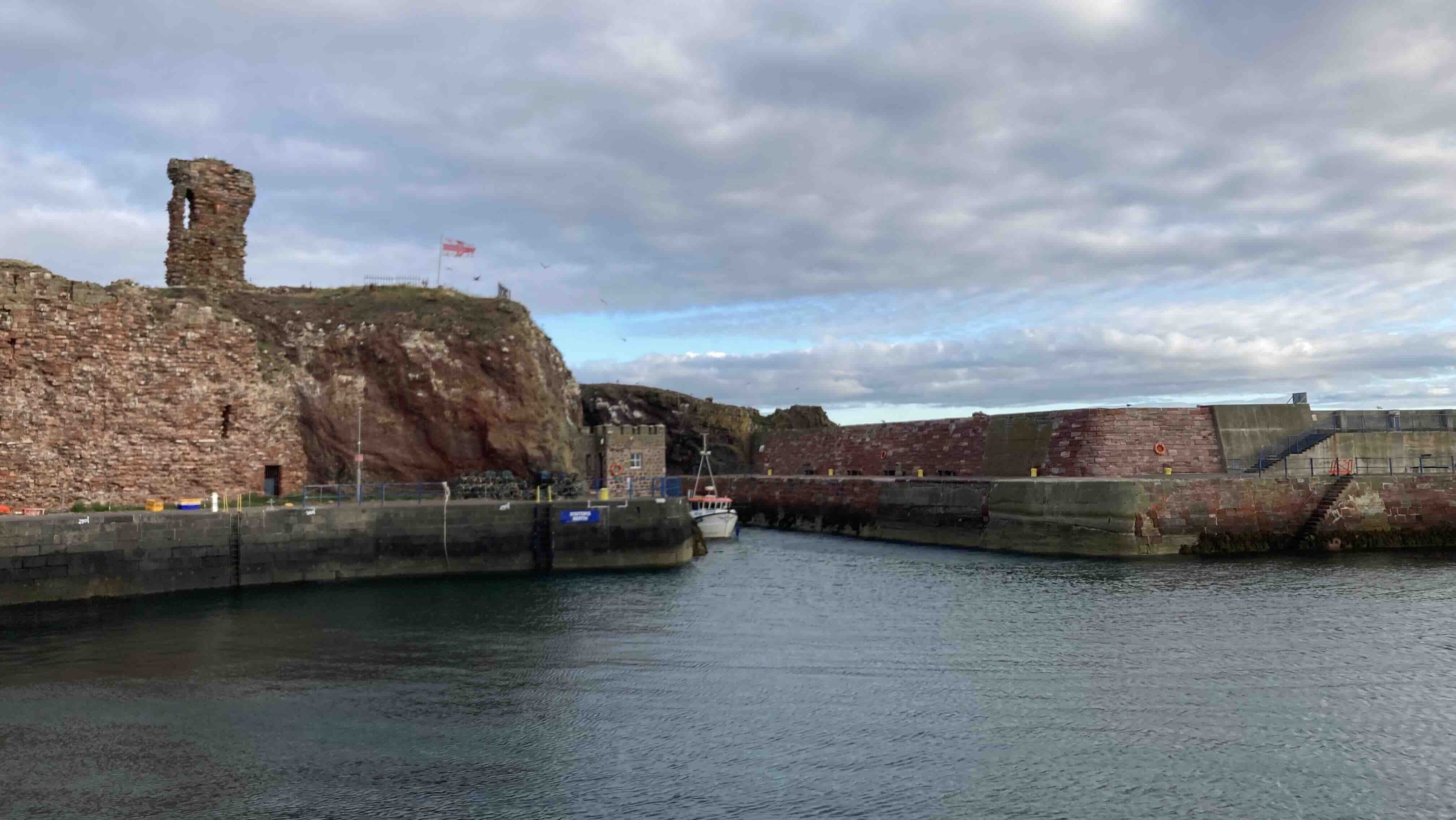
The Royal National Lifeboat Institution (RNLI) lifeguards and volunteer crew are urging people to avoid the dangers of tombstoning after a teenage boy injured his leg after jumping into a harbour.
Dunbar RNLI said the 14-year-old injured his leg after plunging into the water at about 18:30 on Thursday 13 August. They launched the inshore D class lifeboat David Lauder and quickly found the boy, who had managed to get himself out of the water, on steps near the harbour entrance.
The volunteer crew assisted paramedics by helping the boy onto the lifeboat and brought him ashore where he was transferred to the waiting ambulance.
The Royal National Lifeboat Institution (RNLI) issued fresh warnings last week about the dangers of tombstoning, which involves jumping into water from a height and can have serious and potentially life-threatening consequences.
Established in 1808, 16 years before the formation of the RNLI, Dunbar Lifeboat Station is one of the oldest in Scotland and is located on the south side of the mouth of the Firth of Forth.
Dunbar RNLI lifeboat helm Laura Kirkham says: “Tombstoning, or cliff jumping, into the harbour might seem like fun but there’s always a danger of hidden rocks and unknown depths that can result in serious life-changing injuries and even death. As tempting as it is to cool off in hot weather, we’re urging people to think before they jump.
“The bystanders did the right thing in flagging us down for assistance while waiting for the Scottish Ambulance Service.”
Kirkham adds: “The few seconds of thrill that come from tombstoning can lead to consequences that last a lifetime, not only for the individual involved but also for their family, friends and those who witness or respond to the incident.”
Tombstoning incidents
RNLI lifeguards and lifeboat crew have seen the devastating impact tombstoning can have on people across the UK. Sydney Horsted, lead lifeguard for West Sussex has seen tombstoning activity along her beaches and has recently responded to an incident.
She said: “We would strongly advise against any kind of tombstoning, including jumping from South Parade Pier. There are various hazards involved and this is an incredibly high-risk activity.
“The water depth changes with the tide – even if it looks deep enough, it may well be too shallow. There is also the risk of submerged objects under the water that you can’t see until it’s too late.
“In Southsea in particular, we have very strong lateral currents that can quickly sweep swimmers underneath the pier. The pier itself is also a very old structure, formed of sharp metal poles and wooden pylons that can cause cuts quite easily. These may also be submerged under the water.
‘Even in the summer the water is cool and jumping into the sea on a hot sunny day can cause cold water shock, causing someone to panic when they enter the water suddenly. In this situation you should float on your back until you are calm, stretching out your arms and legs, tilting your head back and calming your breathing – you can then shout for help.”
The post RNLI crew warning over ‘tombstoning’ after teen is injured in harbour appeared first on Marine Industry News.
Leave a Reply