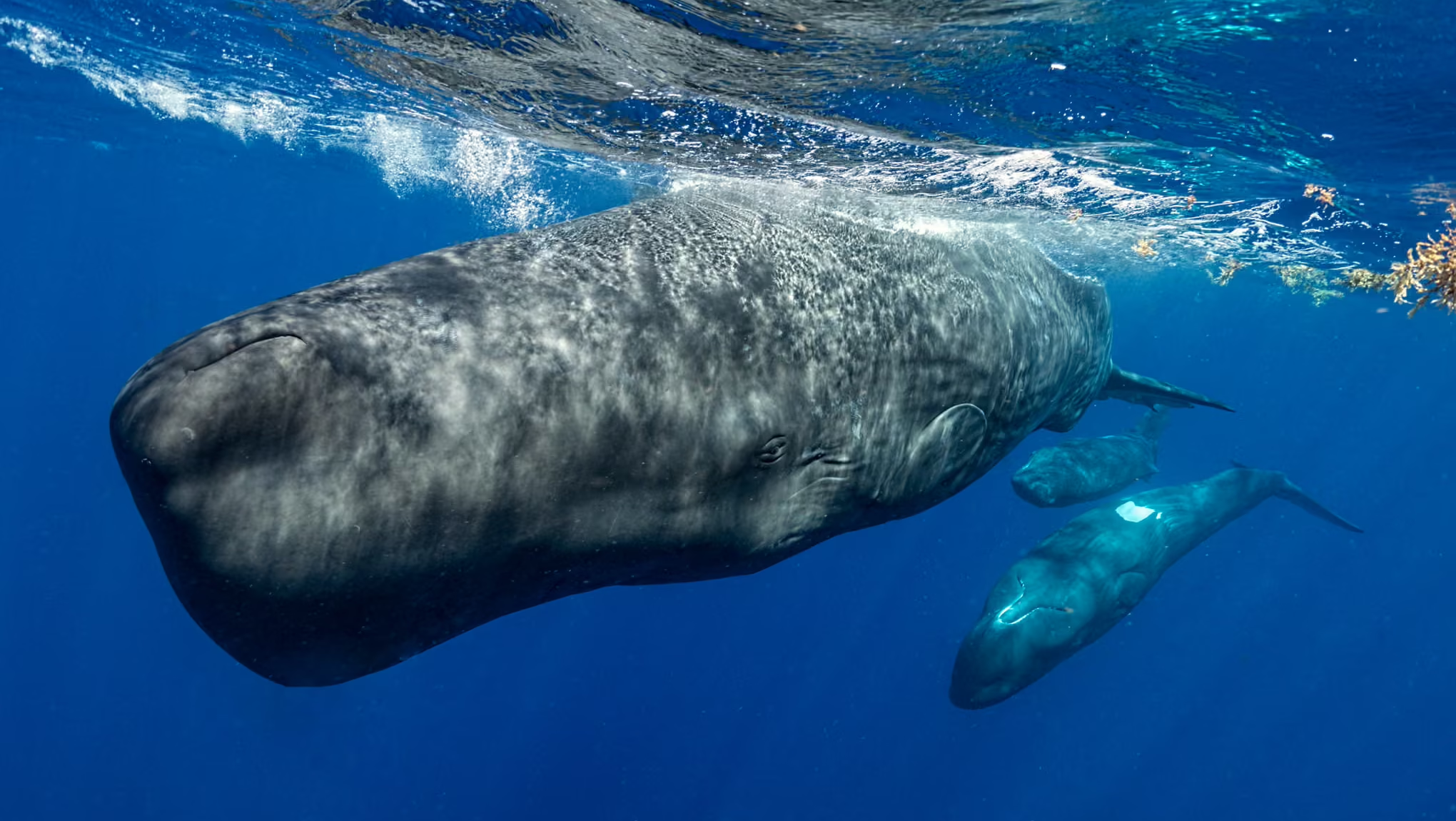
Research into sperm whale communication has found that the large marine mammals change the way they produce vocalisations when boats are nearby, suggesting the vessel noise may be influencing how they communicate.
The findings come from researchers working with Project Ceti, a non-profit research organisation focused on decoding sperm whale communication. The team has spent four years recording sperm whales off the coast of Dominica, collecting more than 1000 “codas” – patterned sequences of clicks used by whales to communicate – from 15 sperm whale pods.
Using audio tags attached to the whale by drone, researchers analyzed how the animals’ vocal patterns changed in the presence of shipping noise. While previous studies have shown marine animals can increase the volume of their calls in response to noise pollution, the research suggests sperm whales may adapt their communication in more complex ways.
The study found that sperm whales changed the structure of their codas when vessels were nearby, including changing the way they used the timing and spacing of individual clicks. Researchers compared these patterns to the use of vowels in human speech.
The team is investigating whether these changes represent whales’ communication about the presence of ships or whether they are in response to the disruption caused by vessel noise. The researchers say findings could have implications for future policies and regulations to inform approaches to managing underwater noise pollution and vessel interactions.
The post New study highlights how sperm whale ‘conversations’ change in the presence of boats appeared first on Marine Industry News.
Leave a Reply