
Mistakes, misjudgements and hard lessons shaped the leaders they are today. Nine marine CEOs, MDs and elite athletes share what went wrong — and how it changed how they lead.
From empowering teams and confronting toxic behaviours to understanding that growth isn’t always linear, these leaders share how they bounced back stronger, and why vulnerability is at the heart of leadership evolution.
Why mistakes are essential to effective leadership
“Mistakes are part of growing as a leader,” says Marieli Solé, MD of Solé Advance.
“They teach you to listen better, involve your team early, and build change through trust, not pressure.

“Early in my role, I made the mistake of trying to change too much, too quickly.
“I had a clear vision and strong motivation, but I underestimated how important it is to bring people along at the right pace. We introduced new tools and workflows with the best intentions, but the timing and communication weren’t right. The result was resistance and a loss of momentum.
“Since then, I’ve learned to plan more calmly and prioritise better. Today, we prefer to focus on one or two key projects, carry them through properly, and see real progress – rather than start too many things at once and dilute our efforts. Small, well-executed steps often lead to the biggest changes.”
People build long-term results
Anna Silvesjö learned the hard way that the right decision on paper can still be wrong. Today, as CEO of Viken Group since June 2025, she leads differently, and while numbers matter, it’s people that build the long-term results.
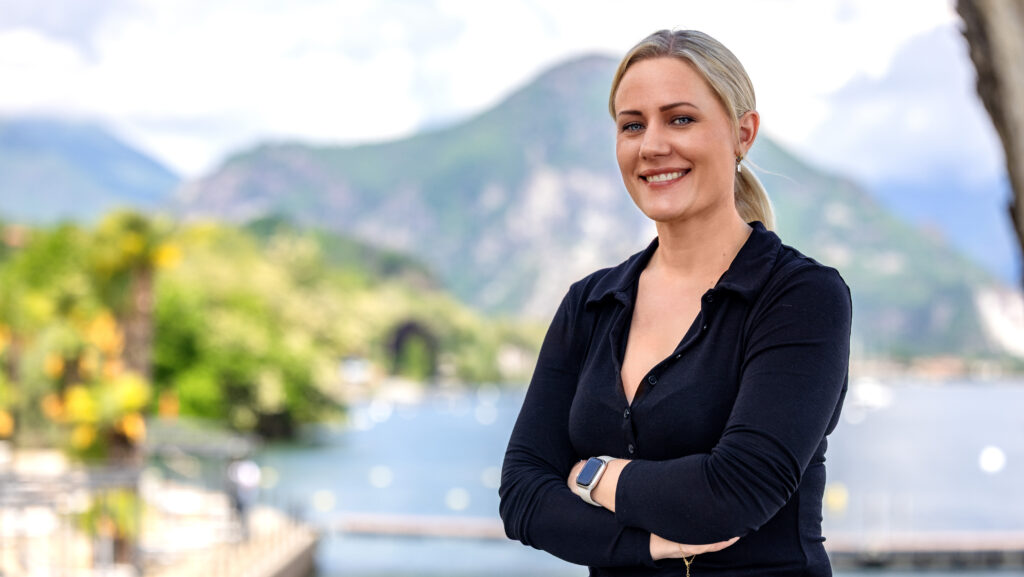
“When I was CFO, I made a cost-cutting decision that felt right in the moment; it was financially good and efficient, but in hindsight, it wasn’t the best decision for the long-term results. I didn’t involve the project team early enough, and even if we saved money in the short term, it disrupted the team’s momentum and could have affected the overall delivery and relations.
“To repair the damage, I engaged and had a dialogue with the team to find the right way forward, and learned that what looks right on paper isn’t always what sustains performance over time.
“It reminded me, that numbers matter, but people and collaboration build the long-term lasting results.
“As a leader, you need to balance both sides, and as CEO, I’ve made an open dialogue a core part of my leadership to ensure that decisions are made based on both performance and engagement over time.”
Empowerment starts with trust, not control
Navico Group’s EVP & president, Aine Denari, reflects on the strength of the team – and calculated risks.

“Earlier in my career, one of my biggest mistakes was not building and empowering the strengths of the entire team enough. I now know that leadership does not mean you have to be an expert in everything; it’s about trusting others, supporting their growth, and creating space for diverse approaches.
“Another lesson came from how I viewed my career path. Early in my career, I thought a successful career should be linear and always upward.
“But growth isn’t always linear, especially as priorities shift at different stages of life, such as raising young kids.
“I have had the opportunity to work in many different industries, functions and countries, and I have learned a lot from each experience, which has enabled me to be a more well-rounded leader overall.
“I’ve also learned that calculated risks are often worth taking. Of course, it is very important to prepare and plan appropriately, including ensuring you have the right support and team. But pushing yourself beyond your comfort zone often leads to the most meaningful growth.”

Progress isn’t always about podiums
Progress isn’t just measured by podiums, but by the ability to learn, to adapt, and to stay kind to yourself when things don’t go as planned, says Giulia Conti. She’s Luna Rossa Prada Pirelli’s skipper, winner of the first-ever PUIG Women’s America’s Cup, and a four-time Olympian.

“When I was an Olympic athlete, my world revolved around results. Every training session, every race, every decision was about one thing: winning. I believed that success was the only proof of my value.
“Each time I crossed the finish line first, I didn’t feel joy… I felt relief. ‘Thank God I didn’t lose this time. ’ Before the medal ceremony was even over, my mind had already moved on to the next competition. There was no space for celebration, or reflection, or gratitude. Only pressure.
“It took stepping away from competition to understand what I had been missing. During the eight years I spent coaching after retiring from Olympic sailing, I started to see things differently.
“I watched my athletes make mistakes, fail, and recover, and I realised how much growth lives inside those moments.
“I began to see that progress isn’t just measured by podiums, but by the ability to learn, to adapt, and to stay kind to yourself when things don’t go as planned. That lesson changed everything for me.
“When I joined Luna Rossa Prada Pirelli for the America’s Cup, I came back to competition with a new mindset. I stopped trying to do everything myself. I learned to trust, to delegate, to rely on others. And through that, I discovered something I had never truly experienced before: the power of shared effort.
“When we won the PUIG Women’s America’s Cup, it was a completely different kind of happiness. This time, the joy was bigger than me. It belonged to all of us, to the women who believed, to the team that worked side by side, to every person who helped build that moment.
“For the first time, victory felt whole. And the happiness lasted longer.”
Communication beats assumptions: define expectations clearly
Communication is key, says Altea Llakmani, CEO of FGI Yacht Group.
“Earlier in my leadership journey, I made the mistake of not defining expectations clearly enough. I assumed that just because everyone on the team was ambitious and capable, we were automatically on the same page. I quickly learned that shared ambition doesn’t equal shared understanding.
“Things fell through the cracks because I hadn’t explicitly outlined roles, responsibilities, or how we would measure success.
“I definitely learned from that experience. Today, I’m very deliberate about communicating expectations up-front, whether it’s how we serve a client, how our team collaborates, or what success looks like for a project.
“I’ve put more structure into onboarding new team members and more transparency into how we evaluate performance. The shift has been transformational. The team is more aligned and, importantly, more empowered.
“When people know exactly what’s expected and feel supported, they perform at a higher level. That lesson fundamentally reshaped how I lead.”

Act fast on toxic behaviour
Jemma Lampkin, global commercial director, AkzoNobel Yacht Coatings, notes that there should be no hesitation when dealing with challenging staff.
“As leaders, we rely so much on creating high-performing teams around us. Ensuring that the right individuals are in the right roles, at the right time in their careers, and leveraging their strengths is vital for success. Because I don’t like giving up on people, I’ve made the mistake of not dealing with performance issues or toxic team members quickly enough. This hesitation can allow problems to fester and escalate, causing significantly more harm in the long run.
“Over time, I’ve learned that recognising these issues and acting swiftly to make difficult decisions are crucial for a healthy team dynamic. Don’t waste time. Confront these challenges head-on and without delay. Your team will thank you.”
Make no assumptions
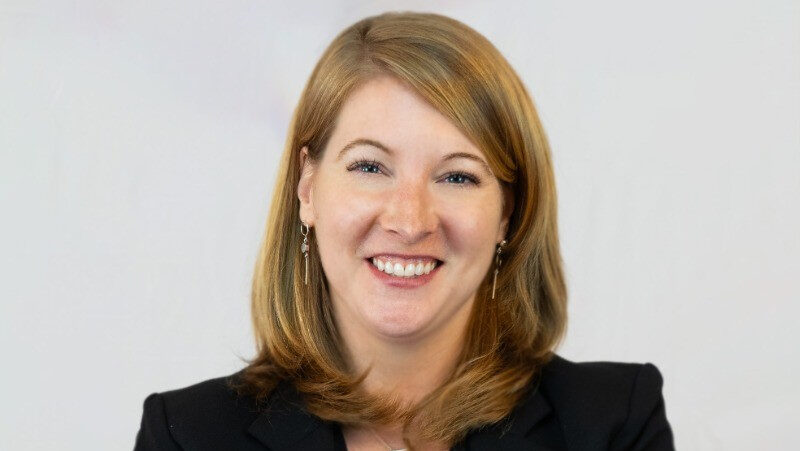
Checking things thoroughly before making decisions is crucial to Karen Underwood – Spirit Yachts’ MD.
“It’s true to say that everyone can learn from mistakes, not only within the workplace but in their personal life, every day is a school day as they say!
“I do not confess to having all the answers, but I always find value with ‘checking in’ whether that’s with an employee, supplier, or a friend, before making a decision.
“When I first joined Oyster [a previous role] it seemed like it had its own language: athwartships, midships, deadship – there was lots to learn. One of my first mistakes was encountered during a shipping exercise and not appreciating the difference between ‘displacement’ and ‘tonnage’. This comes back to not assuming and always checking everything thoroughly.
“In my inexperience back then, I hadn’t appreciated the difference. In my defence there are three different types of tonnage (gross, net, and deadweight) – I never made that mistake again.”
Owning mistakes: from solo sailing to team leadership
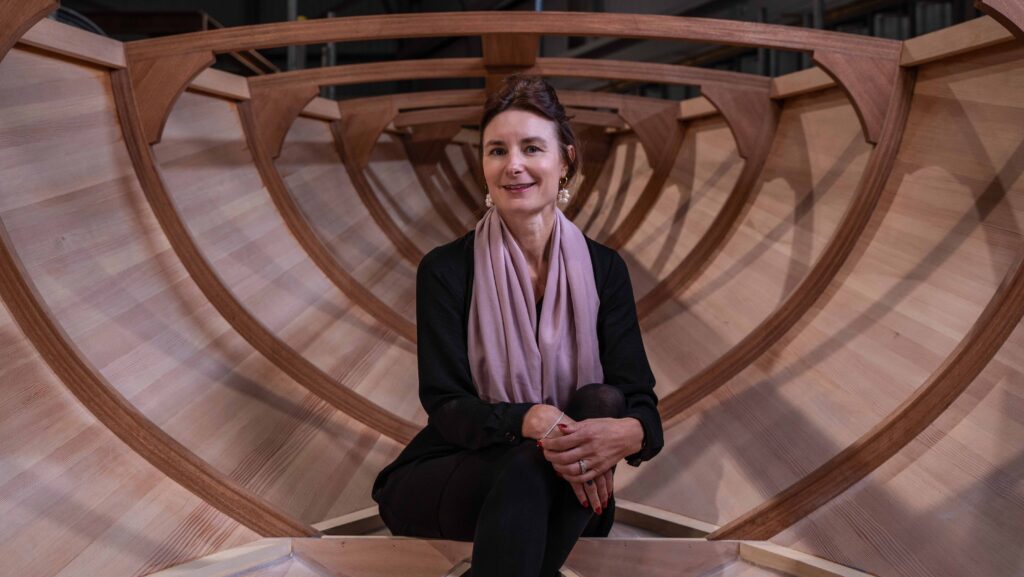
Pip Hare, CEO and skipper of Pip Hare Ocean Racing – a professional ocean racing team based in Poole in the UK – says that mistakes make a sailor, especially when they’re alone.
“You don’t know how strong or resourceful you can be until you get into a difficult situation at sea. We learn from these experiences, it helps us to manage risk, to perform at a higher level and to push the boundaries of competition and innovation with confidence. I think the same is probably right in the business world but somehow it seems a lot scarier.
“Personally, as a sailor I have made plenty of mistakes – sometimes they are because I misjudged the situation or pushed too hard, other times it is from cutting corners or not paying attention.
“The interesting thing about solo sailing is that you have to own your mistakes. It is seldom anyone else’s fault. You have to be the solution and carry the can. It is very levelling.
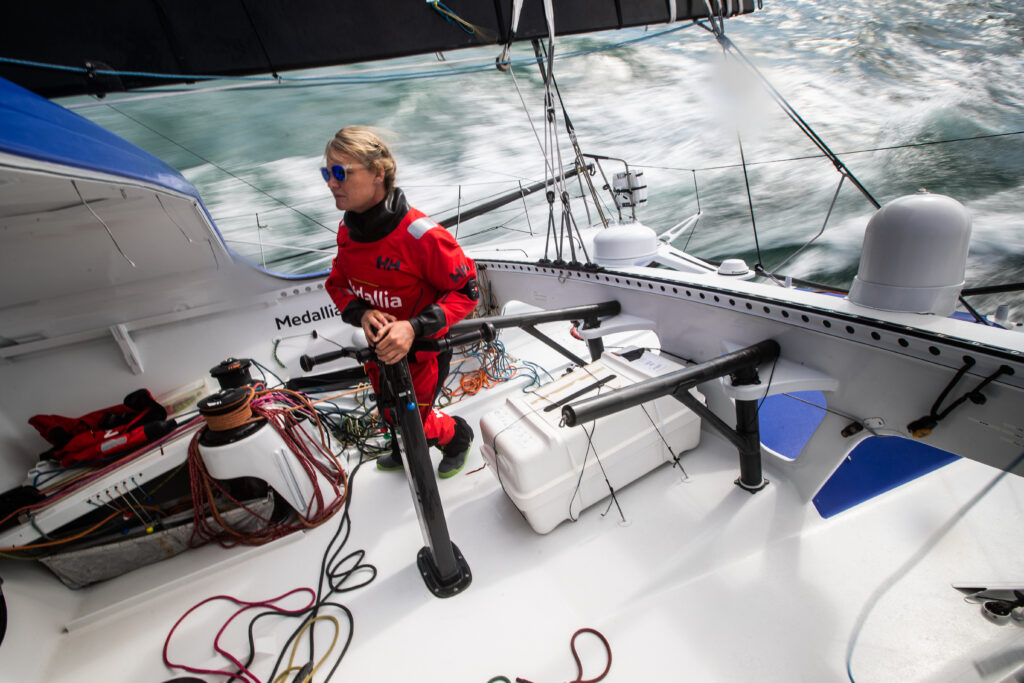
“On the Vendee Arctique race in 2022, I nearly blew up one of the internal ballast tanks inside my boat. It was getting windy, and I needed to put some seawater ballast into the windward tank to keep the boat upright and improve speed. To do this, we put a ‘reverse snorkel’ down under. It scoops up water as the boat moves forward and fires it into the tank. When the tank is full, the water flows out through a deck breather. I put the snorkel down, then my onboard phone rang. It was the media team, and they wanted an interview that minute. I completely forgot I was filling the tank and went straight into a live update. As I spoke to the presenter, the boat picked up speed. We were going faster and faster, and water was going into the tank faster than it could come out of the vent.
“The interview finished, and I heard a huge bang. My heart jumped into my mouth. I looked at the tank and could see the carbon lid bending out with the pressure of the water. The carbon was making awful cracking noises. I was terrified the tank would burst and I would’ve had one tonne of water in the cabin over my batteries and electronics.
“I managed to slow the boat down and close the scoop before the tank burst but I had broken all of the baffles inside. I couldn’t use the tank for the rest of the race which affected performance and I incurred a big boatbuilding bill at the end of race which affected the rest of my budget. I was focused on the wrong thing. It was my mistake, and I had to own the consequences.
“How has this affected my behaviour as a CEO?
“I guess my experience as a sailor has made me very pragmatic about mistakes. I feel the same as a CEO and a skipper. I need to own my mistakes – acknowledge them and fix them. I never make a drama.
“With my staff, I hope to establish a no-blame culture. I have made mistakes, and so I expect them to. I try to encourage them to also own their mistakes with the confidence that we, as a team, will support them.
“I expect honesty around reporting of mistakes in both the business side of things as well as the boat preparation. We try to develop a culture of meticulous attention to detail. You cannot send a race boat out into the ocean without checking every detail before loading it up, and I like to apply the same to everything we do in the business.”
Mistakes aren’t as big as you think
Victoria Low, Magenta Project CEO, says that while mistakes can feel huge at the time, often they’re not.
“I’ve made a lot of mistakes, thankfully mostly small, and ones that could be rectified quickly.
“Without a shadow of a doubt all these mistakes, whether missing deadlines, sending wrong information, or just simply completely misunderstanding a situation, at the time, seemed huge, and almost insurmountable. But on reflection simply weren’t.

“Thankfully, nothing that I do is life changing in the way that the emergency services, health professionals or other front-line services are. But, at the time, they are all-consuming, down to basic human error and not negligence.
“The recovery from each of these has been multi-faceted: taking ownership, making myself accountable, exploring the key learnings, changing my mindset and adapting my approach.
“That is not to say that mistakes won’t happen again.
“And my new role at The Magenta Project where we are consistently looking at creating new opportunities and building new initiatives, in the words of Albert Einstein ‘Anyone who has never made a mistake has never tried anything new’.
“But at least now I feel better prepared for a recovery.”
In every example, one truth shouts louder than the rest: leadership isn’t about perfection — it’s about progression. The most effective leaders aren’t those who avoid mistakes, but those who own them, reflect on them, and use them to forge better paths ahead.
Whether on the water, in the boardroom, or at the shipyard, these lessons show that growth comes not from getting everything right, but from being willing to learn when it goes wrong. Because ultimately, leadership isn’t about never falling — it’s about getting back up, wiser.

The post What marine industry leaders learned the hard way about leadership appeared first on Marine Industry News.
Leave a Reply